 English
 Español
  Português
  русский
  Français
  日本語
日本語  Deutsch
  tiếng Việt
  Italiano
  Nederlands
  ภาษาไทย
  Polski
  한국어
한국어  Svenska
  magyar
  Malay
Malay  বাংলা ভাষার
  Dansk
Dansk  Suomi
Suomi  हिन्दी
  Pilipino
  Türkçe
  Gaeilge
  العربية
  Indonesia
  Norsk
Norsk  تمل
تمل  český
český  ελληνικά
  український
  Javanese
  فارسی
فارسی  தமிழ்
தமிழ்  తెలుగు
  नेपाली
  Burmese
  български
  ລາວ
ລາວ  Latine
  Қазақша
  Euskal
  Azərbaycan
  Slovenský jazyk
  Македонски
  Lietuvos
  Eesti Keel
  Română
  Slovenski

How Do Adhesive Stickers Improve Packaging, Branding, and Daily Operations?
Abstract
Adhesive Stickers look simple, but the wrong material, adhesive, or finish can quietly create big problems: labels that peel off in cold rooms, ink that smears during shipping, stickers that won’t adhere to textured surfaces, or product information that becomes unreadable after a few weeks on the shelf. This guide breaks down how to choose the right Adhesive Stickers for real-world use—product packaging, logistics, retail, and industrial applications—so you reduce rework, returns, and compliance risk while improving brand consistency. You’ll learn how sticker construction works (face stock, adhesive, liner), how to match stickers to environments (water, oil, heat, friction), and how to avoid common ordering mistakes with a practical checklist. We’ll also cover popular finishes and printing options, a comparison table for fast decision-making, and FAQs that procurement teams actually ask. Throughout, we’ll reference how Guangdong Dicai Printing Co., Ltd. supports custom sticker solutions for businesses that need performance—not just a pretty label.
Table of Contents
- Outline
- What Problems Do Adhesive Stickers Solve?
- What Are Adhesive Stickers Made Of?
- How Should You Choose Adhesive Stickers for Your Use Case?
- Which Sticker Materials and Adhesives Work Best?
- What Finishes and Printing Choices Make Stickers Last Longer?
- What Specs Should You Confirm Before Ordering?
- How Do You Test Sticker Performance Before a Full Run?
- FAQ
- Next Steps
Outline
- Explain common sticker failures and the hidden costs they cause
- Break down sticker structure: face stock, adhesive, liner
- Match environments to materials/adhesives with a clear comparison table
- Discuss finishes, printing, and durability upgrades
- Provide an ordering checklist and test plan
- Answer practical buyer questions in an FAQ section
What Problems Do Adhesive Stickers Solve?
Most businesses don’t “buy stickers”—they buy clarity and control. Adhesive Stickers carry product identity, usage instructions, batch codes, warning labels, shipping details, and brand signals. When those stickers fail, the impact isn’t cosmetic. It can create operational friction and, in regulated categories, real compliance risk.
- Peeling and edge-lift: Often caused by mismatched adhesive (e.g., standard adhesive on textured cartons, low-temperature surfaces, or oily plastics).
- Ink smearing or fading: Happens when ink/finish isn’t compatible with handling, moisture, UV exposure, or abrasion in logistics.
- Wrinkling and bubbling: Common on curved containers (bottles, jars) when face stock is too stiff or application settings aren’t optimized.
- Unreadable barcodes: A small print/contrast issue can become scanning failures across warehouses and retailers.
- Residue or tearing: The wrong adhesive can leave glue on surfaces (bad for returns/refurbishment) or tear on removal when you need repositionable labels.
If you’re selecting Adhesive Stickers for packaging, think beyond “does it stick today?” A good sticker keeps your message readable and intact from production to the customer’s hands—through storage, friction, temperature changes, and transport vibration.
What Are Adhesive Stickers Made Of?

To choose correctly, it helps to understand the basic construction of Adhesive Stickers. Most pressure-sensitive stickers include three layers:
- Face stock: The visible top layer (paper, PET, PP, vinyl, etc.). This affects look, feel, durability, and how it handles water/oil/heat.
- Adhesive: The “engine” of performance. Adhesives vary by tack (initial stick), peel strength, shear (holding power), and temperature range.
- Liner: The backing paper/film that protects the adhesive before application. Liner type affects dispensing speed and compatibility with labeling machines.
Guangdong Dicai Printing Co., Ltd. typically helps buyers avoid the classic mistake: focusing only on the face stock design while under-specifying adhesive and liner. In real production, adhesive and liner choices often determine whether your line runs smoothly or becomes a daily headache.
How Should You Choose Adhesive Stickers for Your Use Case?
Use this decision flow to narrow options fast. The goal is to match stickers to environment, surface, and handling—then refine print and finish based on brand and durability needs.
-
Step 1: What surface will the sticker stick to?
Smooth glass and coated cartons are easy. Textured paper, kraft cartons, powder-coated metal, and many plastics need more careful adhesive selection. -
Step 2: What will the sticker experience after application?
Consider moisture, oil, friction, outdoor sun, freezer storage, or chemical contact (cleaners, alcohol wipes). -
Step 3: How long must it last?
A short-term promo sticker can prioritize easy removal. A product label may need months of legibility and adhesion. -
Step 4: How is it applied?
Hand application tolerates more variation. Automated lines need consistent roll specs, liner strength, and die-cut accuracy. -
Step 5: What matters more—appearance or performance?
You can have both, but budget and lead times improve when requirements are explicit.
When you’re uncertain, request samples in at least two adhesive options (e.g., standard permanent vs. high-tack permanent) and test them in your actual environment. Real-world testing is faster than guessing and reordering.
Which Sticker Materials and Adhesives Work Best?
The table below helps you quickly match common materials and adhesive types to typical business needs. Use it as a starting point, then refine based on temperature, surface energy, and branding goals.
| Sticker Type | Best For | Strengths | Watch Outs |
|---|---|---|---|
| Coated Paper + Permanent Adhesive | Cartons, retail packaging, general indoor labels | Cost-effective, sharp print quality, wide finish options | Not ideal for moisture/oil; can scuff under abrasion |
| Thermal Paper (Direct Thermal) | Shipping labels, short-term barcode labels | No ribbon needed, fast printing | Heat/UV can darken; not for long-term labeling |
| PET (Polyester) + Permanent/High-Tack | Durable product labels, electronics, cosmetics, industrial | Water-resistant, strong dimensional stability, durable | Usually higher cost; confirm finish for scratch resistance |
| PP (Polypropylene) + Permanent | Food, beverage, household goods, squeezable containers | Moisture-resistant, flexible, good for curved surfaces | Adhesive choice matters on low-energy plastics |
| Vinyl/PVC + Outdoor Adhesive | Outdoor signage, equipment labels, long exposure | Weather-resistant, flexible, can be highly durable | Confirm environmental requirements and compliance needs |
| Removable/Repositionable Adhesive | Promotions, temporary labels, reusable containers | Peels cleanly, reduces residue risk | Not ideal for high humidity or long durations |
| Freezer-Grade Adhesive | Cold chain, frozen food, refrigerated logistics | Better adhesion at low temperatures | Must confirm application temperature vs. service temperature |
Practical tip: If you label plastics like HDPE/PP bottles, you’re dealing with “low surface energy.” Standard adhesives may fail even when the bottle looks smooth. Ask for adhesive options designed for low-energy plastics, and test for edge lift after 24–72 hours.
What Finishes and Printing Choices Make Stickers Last Longer?
Finishes are not only aesthetic—they protect print and improve durability. Here are common upgrades buyers choose for Adhesive Stickers:
- Lamination (Gloss or Matte): Adds a protective film layer to resist moisture, abrasion, and minor chemical contact.
- Varnish: A coating that can improve scuff resistance while keeping costs lower than full lamination.
- UV printing: Often provides strong color vibrancy and improved resistance to fading, depending on the substrate.
- Hot foil stamping: Premium metallic effects for brand impact (commonly used in cosmetics and gift packaging).
- Embossing/Debossing: Tactile branding for high-end packaging.
If your stickers are touched frequently (retail handling, warehouse scanning), prioritize abrasion resistance. For products exposed to water or oil (bathroom, kitchen, skincare), laminated film labels tend to perform more consistently than uncoated paper.
What Specs Should You Confirm Before Ordering?
Most sticker disappointments come from unclear specs. Use this checklist to prevent miscommunication and reduce rework:
- Application surface: material (glass/plastic/metal/paper), texture level, and whether it’s dusty/oily.
- Environment: temperature range, humidity, freezer use, UV exposure, chemical contact.
- Sticker size and shape: include corner radius preferences (rounded corners reduce peeling).
- Artwork requirements: color references, barcode specs, variable data (batch/serial), and minimum font size.
- Material choice: paper vs. film, transparent vs. white, metallic options if needed.
- Adhesive type: removable, permanent, high-tack, freezer-grade, or specialty adhesive.
- Finish: gloss/matte lamination or varnish, plus any special effects.
- Supply format: rolls or sheets, roll direction, core size, outer diameter limits, and label spacing for your machine.
- Quantity and spares: consider overruns for line setup and damage allowances.
Guangdong Dicai Printing Co., Ltd. can support buyers who need Adhesive Stickers in roll format for labeling machines, or sheets for manual application—so your ordering notes should clearly state how you apply labels today and whether you plan to scale production later.
How Do You Test Sticker Performance Before a Full Run?
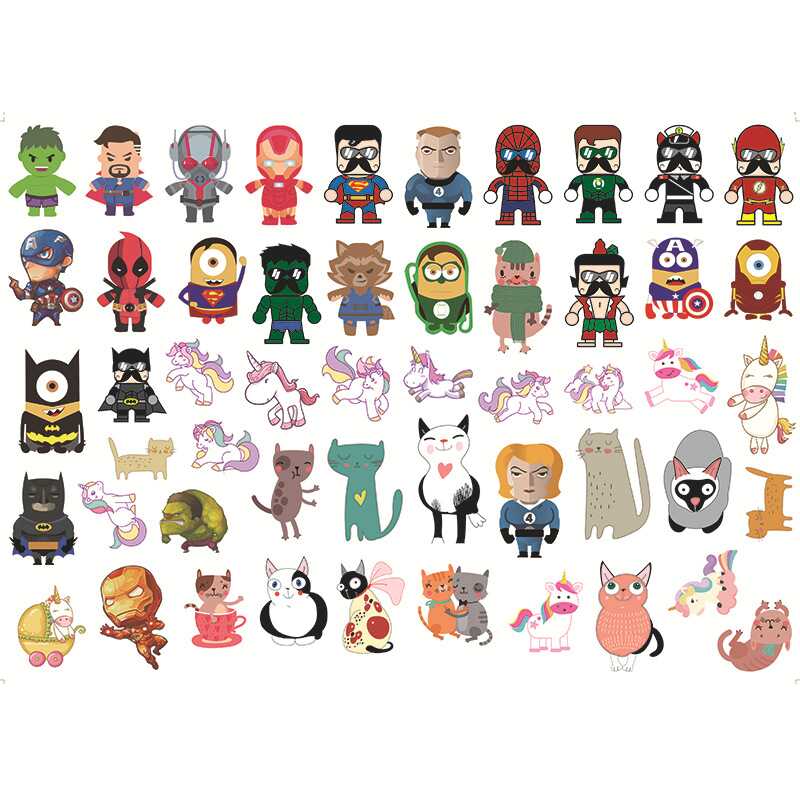
Even well-specified Adhesive Stickers should be validated in your actual workflow. Here’s a simple, effective test plan that saves money:
- Initial tack test (10 minutes): Apply and check immediate adhesion on real surfaces.
- 24-hour set test: Many adhesives build strength over time. Re-check edge lift and peel strength.
- Temperature cycle test: Move labeled items between warm and cold conditions to simulate shipping and storage.
- Moisture/oil wipe test: Lightly wipe with water, mild detergent, or the real substance the product contacts.
- Scan test: If barcodes matter, scan under your warehouse lighting and at your normal distance.
- Rub test: Use consistent pressure with a dry cloth to simulate friction in cartons and handling.
If you see failures, adjust one variable at a time—adhesive, then face stock, then finish—so you don’t overpay for features you don’t need.
FAQ
What is the difference between removable and permanent Adhesive Stickers?
Removable adhesives are designed to peel off cleanly within a defined time window, while permanent adhesives prioritize long-term hold. If you’re labeling reusable containers or running promotions, removable may reduce residue and surface damage. For product identity labels that must survive shipping and storage, permanent is usually safer.
Why do Adhesive Stickers peel off plastic bottles even when the surface looks smooth?
Many plastics have low surface energy, which makes it harder for adhesives to wet out and bond properly. The fix is often a suitable adhesive formulation (sometimes called high-tack or low-energy plastic adhesive) and enough dwell time for the bond to build.
How can I make Adhesive Stickers waterproof?
Choose a film face stock like PET or PP and add lamination or a protective coating. Waterproof performance depends on the whole construction—material, ink/print method, and finish—rather than a single upgrade.
Which Adhesive Stickers are best for freezer or cold-chain labeling?
Look for freezer-grade adhesives and confirm both the application temperature (when you apply the label) and service temperature (where it lives afterward). A sticker may survive freezing but fail if applied to a cold, frosty surface without the right adhesive.
Can I order Adhesive Stickers in rolls for automatic labeling machines?
Yes. You’ll want to confirm roll direction, core size, maximum outer diameter, label gap, and liner type so the rolls run smoothly and reduce downtime.
How do I avoid barcode scanning issues on stickers?
Use sufficient contrast, avoid placing gloss effects over scan areas if they create glare, and confirm quiet zones and sizing. Always test scanning under your real conditions before final production.
Next Steps
If you want Adhesive Stickers that don’t peel, smear, or fail mid-shipment, the fastest path is to define your surface + environment + application method, then validate samples under real conditions. Guangdong Dicai Printing Co., Ltd. can help you match material, adhesive, and finish to your packaging and operational needs—so you get consistent performance at scale. Ready to upgrade your labeling results? Contact us to discuss your requirements and receive tailored sticker options that fit your products and process.
Send Inquiry

X
We use cookies to offer you a better browsing experience, analyze site traffic and personalize content. By using this site, you agree to our use of cookies.
Privacy Policy
-
Email
-
Call Us
-
Address
No. 2, Fuxi Industrial Zone, Chishan Village, Lishui Town, Nanhai District, Foshan City, Guangdong province, China
Inquiry For PriceList
For inquiries about 3C digital packaging, cosmetic packaging, handbags or price list, please leave your email to us and we will be in touch within 24 hours.
Copyright © 2024 Guangdong Dicai Printing Corporation Co., Ltd. All Rights Reserved.