 English
 Español
  Português
  русский
  Français
  日本語
日本語  Deutsch
  tiếng Việt
  Italiano
  Nederlands
  ภาษาไทย
  Polski
  한국어
한국어  Svenska
  magyar
  Malay
Malay  বাংলা ভাষার
  Dansk
Dansk  Suomi
Suomi  हिन्दी
  Pilipino
  Türkçe
  Gaeilge
  العربية
  Indonesia
  Norsk
Norsk  تمل
تمل  český
český  ελληνικά
  український
  Javanese
  فارسی
فارسی  தமிழ்
தமிழ்  తెలుగు
  नेपाली
  Burmese
  български
  ລາວ
ລາວ  Latine
  Қазақша
  Euskal
  Azərbaycan
  Slovenský jazyk
  Македонски
  Lietuvos
  Eesti Keel
  Română
  Slovenski

Why Corrugated Paper Packaging Is the Smartest Choice for Shipping and Branding?
Article Summary
Corrugated Paper Packaging isn’t just “a box.” It’s a protective system that can lower damage rates, reduce shipping costs, improve unboxing, and help you meet rising sustainability expectations—if you spec it correctly. In this guide, I’ll walk you through how to choose the right board grade, flute type, structure, and print approach for your product and supply chain. You’ll also get a practical checklist, a comparison table, and a FAQ that answers the questions procurement teams and brand owners ask most. Along the way, I’ll mention how a packaging partner like Guangdong Dicai Printing Corporation Co., Ltd. typically supports custom corrugated projects from concept to mass production.
Table of Contents
- Outline
- What Problems Does Corrugated Paper Packaging Solve?
- How Does Corrugated Board Protect Your Products?
- How Do You Choose the Right Corrugated Specification?
- Which Box Styles and Inserts Work Best?
- What Printing and Finishing Options Make Sense?
- How Do You Improve Sustainability Without Sacrificing Strength?
- What Quality Checks Prevent Costly Surprises?
- FAQ
Outline
- Common customer pain points in shipping, storage, and brand presentation
- Corrugated board basics: layers, flutes, and what “strength” really means
- A step-by-step method to choose the right spec for your product
- Box structures, inserts, and protective design strategies
- Printing, finishing, and when premium visuals are worth it
- Sustainability decisions that stay practical for real supply chains
- Quality control checklist and supplier communication tips
- Frequently asked questions buyers always ask
What Problems Does Corrugated Paper Packaging Solve?
When buyers say “we need Corrugated Paper Packaging,” they usually mean “we need fewer headaches.” Here are the real problems I see most often:
- Transit damage and returns: crushed corners, punctures, vibration scuffs, and product breakage.
- Shipping cost creep: oversized cartons trigger dimensional weight charges and wasted void fill.
- Unstable pallets and warehouse loss: cartons that bow, collapse, or slide increase handling risk.
- Inconsistent quality: the same SKU arrives with different board strength across batches.
- Brand presentation gaps: dull print, muddy colors, or flimsy “cheap-feel” packaging hurts perception.
- Speed-to-market pressure: new products need packaging fast, with fewer rounds of rework.
The good news: corrugated solutions can be tuned—like a set of knobs—to match your product’s weight, fragility, shipping mode, and branding goals. The bad news: if you guess the spec, you’ll pay for it later (damage, overpacking, or both).
How Does Corrugated Board Protect Your Products?
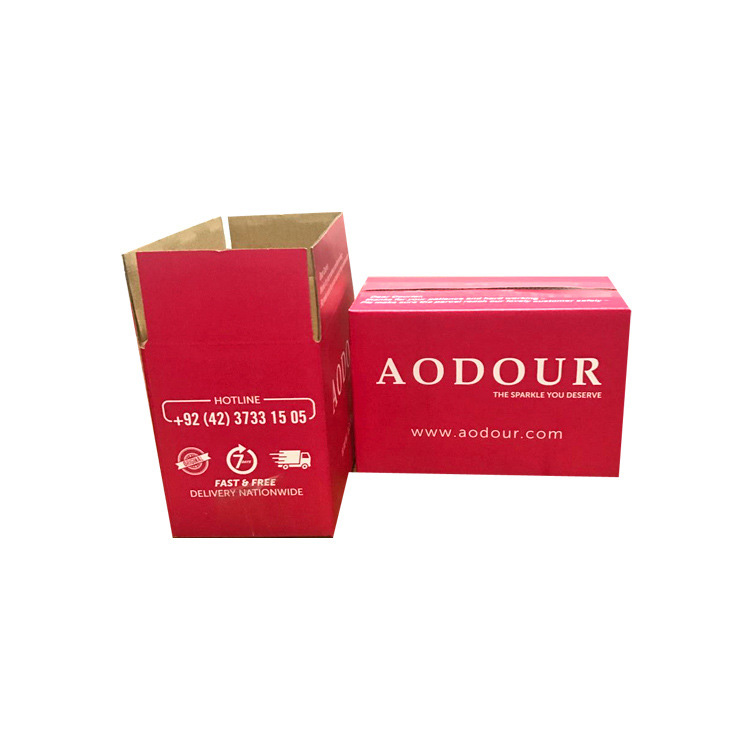
Corrugated board is built like a lightweight shock absorber. It’s typically made from:
- Linerboard: the flat outer layers that provide surface strength and printability.
- Fluting (medium): the wavy layer that creates rigidity, cushioning, and stacking resistance.
The “magic” is the air space created by the flutes. That structure improves compression strength while keeping weight low—exactly what shipping networks reward.
Two strength ideas matter most in real purchasing decisions:
- Stacking strength (compression): can your cartons survive pallet loads and warehouse stacking?
- Durability in transit (puncture/burst/edge resistance): can it survive drops, impacts, and rough handling?
You’ll also hear common industry metrics like edge crush resistance and burst strength. You don’t need to become a lab technician—just know which risk you’re buying down: stacking collapse, edge crush, puncture, or drop damage.
How Do You Choose the Right Corrugated Specification?
If you only remember one thing, make it this: your corrugated spec should follow your distribution reality, not your hope. Here’s the method I use.
Step 1: Define the “packaging job” in one sentence
- What’s inside (weight, fragility, surface sensitivity)?
- Where is it going (domestic parcel, LTL freight, export sea, retail replenishment)?
- How is it handled (automation, manual, mixed)?
Step 2: Choose wall construction based on risk
Single-wall is common for light-to-medium products. Double-wall or reinforced constructions make sense when you face heavy loads, long transit, or stacking pressure. If your damage is “mysterious,” it’s often a compression or puncture issue caused by the wrong wall/flute combination.
Step 3: Match flute type to performance and print needs
Flutes affect thickness, cushioning, stiffness, and print surface stability. In plain terms:
- Thicker flutes: better cushioning and stacking support, more “warehouse tough.”
- Finer flutes: better print appearance and die-cut detail, more “brand premium.”
Step 4: Right-size the carton (this saves money fast)
- Reduce empty space to cut dimensional weight.
- Use inserts that immobilize the product so the box doesn’t do all the work.
- Design for pallet efficiency: footprints that interlock and don’t “overhang.”
Step 5: Specify protective details that prevent failure
- Corner protection: corners are the first to crush in parcel shipping.
- Moisture considerations: humidity and sea transit can soften board.
- Tape and closure: the strongest board fails if the closure fails.
Quick Selection Table
| Shipping Scenario | Main Risk | Recommended Approach | Notes |
|---|---|---|---|
| E-commerce parcel (high handling) | Drops, corner crush, puncture | Right-sized carton + protective inserts | Prioritize immobilization and corner strength |
| Retail replenishment (palletized) | Stacking compression | Stronger board grade + pallet-friendly dimensions | Focus on compression performance and consistent QC |
| Export / sea freight | Humidity, long transit, stacking | Moisture-aware materials + reinforced structure | Ask about humidity handling and storage conditions |
| Fragile items (glass/electronics) | Vibration, impact, abrasion | Custom inserts + cushioning + anti-scuff strategy | Board alone rarely solves fragile damage |
Which Box Styles and Inserts Work Best?
Corrugated Paper Packaging gets powerful when structure meets product behavior. Instead of “a bigger box,” consider designs that control movement and distribute force.
Common structures that work in the real world
- Regular slotted cartons: efficient for shipping, easy to automate and tape.
- Die-cut mailers: better unboxing and brand feel, often used for e-commerce kits.
- Partitions and dividers: ideal for multiple units in one carton (bottles, jars, components).
- Corner posts / edge reinforcements: great for heavier products or higher stacking.
Inserts: the overlooked damage-reduction tool
If damage rates are high, I usually ask one question: “Is the product moving inside the box?” Custom inserts (folded corrugated, paper pulp, or hybrid solutions) prevent vibration damage, stop corner impacts, and reduce the amount of void fill you need.
A capable manufacturer like Guangdong Dicai Printing Corporation Co., Ltd. can typically help translate your product dimensions and shipping conditions into a workable dieline, then produce samples for fit testing before scaling. The key is giving your supplier accurate product measurements, weight, and a realistic shipping story (parcel vs freight, stacking height, typical transit distance).
What Printing and Finishing Options Make Sense?
You can treat Corrugated Paper Packaging as purely protective—or as a marketing surface. The trick is picking print/finish choices that match your channel:
- Plain kraft with minimal print: cost-efficient, popular for sustainability-forward brands.
- High-impact graphics: useful for retail presence, subscription boxes, and premium unboxing.
- Barcode and compliance clarity: critical for warehouse scanning and retailer requirements.
Finishes that improve performance, not just looks
- Scuff resistance: reduces ugly rub marks in transit.
- Water-based coatings: can add some surface protection while staying practical.
- Stronger seam design: reinforces the box where failures often happen.
If you’re comparing options, ask yourself: “Does this feature reduce returns, reduce shipping cost, or increase conversion?” If the answer is no, it’s probably decoration.
How Do You Improve Sustainability Without Sacrificing Strength?
Most teams want packaging that feels responsible and doesn’t spike damage rates. You can do both if you avoid extremes. Here are practical moves that typically help:
- Right-sizing: less material, lower shipping cost, and fewer void-fill headaches.
- Designing for recyclability: minimize mixed materials when possible.
- Using smart structure instead of brute force: inserts and geometry can outperform “thicker board everywhere.”
- Testing before scaling: a small pilot run can reveal failure points early.
One caution: reducing material too aggressively can backfire. If your product arrives damaged, the environmental and financial cost of replacements can exceed the savings from lighter packaging. The goal is optimized protection, not minimum paper at any price.
What Quality Checks Prevent Costly Surprises?
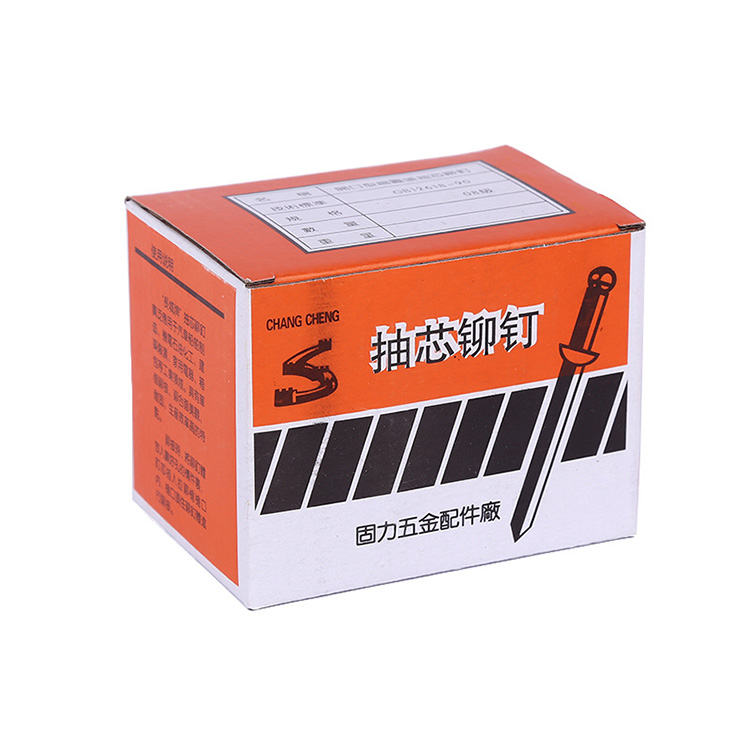
If you’ve ever received a shipment of cartons that “feel softer” than usual, you already know why quality checks matter. Here’s a buyer-friendly checklist you can share internally and with your supplier:
- Spec confirmation: board grade, wall construction, flute type, and tolerances documented clearly.
- Dimension verification: internal dimensions match your product + insert plan (not just external size).
- Compression and handling expectations: stacking height, pallet patterns, and warehouse conditions considered.
- Print checks: barcode scannability, color consistency, and legibility under real lighting.
- Drop/fit testing: sample cartons tested with your product, not empty boxes.
- Moisture/storage reality: packaging stored in humid environments may perform differently.
A smooth project usually comes down to communication: give your supplier the full story (product, channel, risks), and insist on samples that mimic real conditions. That’s how Corrugated Paper Packaging becomes a predictable system instead of a recurring problem.
FAQ
Q: What makes Corrugated Paper Packaging different from regular paperboard?
A: Corrugated uses fluted “wave” structure between liner layers, creating a lightweight but rigid material designed for protection and stacking. Paperboard is typically thinner and used more for retail cartons than shipping protection.
Q: How do I stop products from breaking even when the box looks fine?
A: That’s usually vibration or internal impact. The fix is often better immobilization: custom inserts, partitions, or a tighter fit—not just a stronger outer box.
Q: Should I always choose the strongest board to be safe?
A: Not always. Overpacking can increase cost, worsen dimensional weight fees, and still fail if the structure is wrong. A right-sized carton with smart inserts often outperforms “thicker board everywhere.”
Q: What’s the best packaging for premium unboxing?
A: A die-cut corrugated mailer with clean graphics and a controlled opening experience is a common choice. The best option depends on your product shape and how you ship (parcel vs freight).
Q: How can I reduce shipping cost using Corrugated Paper Packaging?
A: Right-size the box, reduce void space, optimize for pallet patterns, and avoid oversized cartons that trigger dimensional weight charges. Often, size optimization saves more than changing board grade.
Q: How many samples should I request before mass production?
A: Enough to test fit, closure, basic handling, and printing. If you ship parcel, do simple drop and shake tests with real products. A small pilot run is ideal when stakes are high.
Final Thoughts
Corrugated Paper Packaging works best when it’s treated as an engineered solution, not a commodity. If you’re dealing with damage claims, rising freight fees, or packaging that doesn’t match your brand, the answer is usually a better spec and smarter structure—not a bigger box.
If you want help choosing the right corrugated structure, inserts, and print approach for your product line, reach out to Guangdong Dicai Printing Corporation Co., Ltd. and contact us to discuss your requirements and get a tailored packaging proposal.
Send Inquiry


X
We use cookies to offer you a better browsing experience, analyze site traffic and personalize content. By using this site, you agree to our use of cookies.
Privacy Policy
-
Email
-
Call Us
-
Address
No. 2, Fuxi Industrial Zone, Chishan Village, Lishui Town, Nanhai District, Foshan City, Guangdong province, China
Inquiry For PriceList
For inquiries about 3C digital packaging, cosmetic packaging, handbags or price list, please leave your email to us and we will be in touch within 24 hours.
Copyright © 2024 Guangdong Dicai Printing Corporation Co., Ltd. All Rights Reserved.