 English
 Español
  Português
  русский
  Français
  日本語
日本語  Deutsch
  tiếng Việt
  Italiano
  Nederlands
  ภาษาไทย
  Polski
  한국어
한국어  Svenska
  magyar
  Malay
Malay  বাংলা ভাষার
  Dansk
Dansk  Suomi
Suomi  हिन्दी
  Pilipino
  Türkçe
  Gaeilge
  العربية
  Indonesia
  Norsk
Norsk  تمل
تمل  český
český  ελληνικά
  український
  Javanese
  فارسی
فارسی  தமிழ்
தமிழ்  తెలుగు
  नेपाली
  Burmese
  български
  ລາວ
ລາວ  Latine
  Қазақша
  Euskal
  Azərbaycan
  Slovenský jazyk
  Македонски
  Lietuvos
  Eesti Keel
  Română
  Slovenski

How Do Adhesive Stickers Stay Put on Any Surface?
ABSTRACT
Abstract
If you’ve ever received a batch of stickers that curled at the corners, slid off cold packaging, or left a sticky mess after removal, you already know the hidden cost of “almost right.” Adhesive Stickers are a three-part system—face material, adhesive, and liner—and every decision should match the surface, environment, and user behavior.
In the sections below, you’ll learn how to choose sticker constructions for plastics, glass, metal, paperboard, and textured surfaces; when to use removable vs. permanent adhesives; how finishes protect color and readability; and what application steps prevent bubbles and lifting. You’ll also get a buyer-friendly checklist, a surface-to-solution table, and an FAQ that answers the questions customers ask right before they hit “order.”
TABLE OF CONTENTS
Table of Contents
- The real pain points behind sticker failures
- Sticker construction explained without jargon
- Choosing the right adhesive for the job
- Finishes that protect design and readability
- Surface guide and quick recommendations
- Application steps that prevent bubbles and lifting
- Quality checks smart buyers request
- What to send your manufacturer to get it right
- FAQ
- Final checklist and next step
OUTLINE
Outline at a Glance
- Why Adhesive Stickers fail: not “bad glue,” but wrong match
- Material + adhesive + liner: what each part controls
- Removable vs. permanent vs. repositionable choices
- Water, oil, UV, abrasion: how finishes reduce complaints
- Surface-specific specs you can copy into an RFQ
- Application SOP for teams and end users
- Sampling, proofs, and tests that prevent rework
Who This Helps Most
Brand owners, distributors, packaging engineers, and procurement teams who need stickers to survive shipping, retail handling, and daily use—without the “surprise” costs of returns, relabeling, or customer complaints.
Rule of thumb: A sticker isn’t “high quality” in isolation—it’s high quality for the surface and environment you put it on.
◆◆◆ SECTION 1 ◆◆◆
The Real Pain Points Behind Sticker Failures
Most sticker problems show up after production—during packing, cold storage, shipping, or customer use. If you’re buying Adhesive Stickers for packaging, labeling, promotions, or product decoration, these are the issues that quietly drain time and margin:
- Edge lifting and corner curl on curved bottles, textured cartons, or low-energy plastics.
- Bubbles and wrinkles caused by trapped air, dust, or incorrect pressure during application.
- Residue after removal that makes products look used or creates extra cleaning labor.
- Ink smearing or fading from moisture, abrasion, sunlight, oils, or sanitizer wipes.
- Barcode scan failures when gloss glare or low contrast reduces readability.
- “It worked in the office” but fails in cold rooms, humid transit, or outdoor exposure.
What customers often assume: “The glue is weak.”
What’s usually happening: The adhesive was chosen without considering surface energy, temperature, and handling.
◆◆◆ SECTION 2 ◆◆◆
Sticker Construction Explained Without Jargon
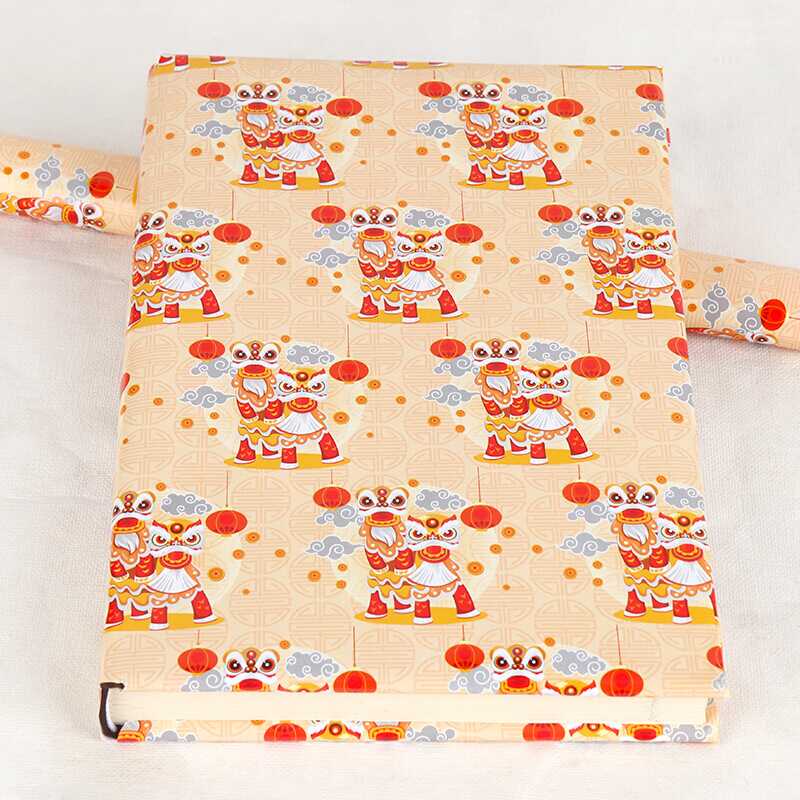
Every Adhesive Sticker is built from three layers. When you’re requesting samples or quoting a project, thinking in these layers makes your requirements clearer—and prevents “close enough” substitutions.
| Layer | What it controls | Typical pain points when chosen wrong |
|---|---|---|
| Face material | Look, feel, stiffness, tear resistance, water resistance, and whether it conforms to curves. | Curling, tearing, water damage, poor “premium” feel, scuffing. |
| Adhesive | Initial tack, long-term bonding, removability, performance on plastics, glass, metal, and paper. | Peeling, residue, sliding in cold storage, sticking too aggressively. |
| Liner (backing) | How the sticker dispenses, die-cuts, and releases during application. | Slower application, tearing during peeling, misalignment, wasted labels. |
If you want a fast win: describe your surface, your environment, and whether the sticker must be removable or permanent. Those three inputs guide almost everything else.
◆◆◆ SECTION 3 ◆◆◆
Choosing the Right Adhesive for the Job
Adhesives aren’t just “strong” or “weak.” They’re designed for different behaviors. Pick the behavior first, then match it to your surface and temperature range.
Common Adhesive Behaviors
Permanent
Removable
Repositionable
High-tack
Cold-resistant
Textured-surface
- Permanent: For long-term product identification and shipping labels that must stay put.
- Removable: For promotions, price tags, and temporary labeling where cleanup matters.
- Repositionable: For alignment-sensitive applications (especially during manual application).
- High-tack / specialty: For low-energy plastics and challenging surfaces.
Quick Decision Prompts
- Will users ever need to remove it cleanly? If yes, start with removable.
- Is the surface glossy plastic, powder-coated, or “waxy” feeling? Consider high-tack or a specialty adhesive.
- Is it applied in a cold room or on chilled products? Ask for cold-resistant performance.
- Is the surface textured (kraft paper, matte coated box, fabric-like)? Ask for an adhesive made for micro-textures.
- Do you need the sticker to conform around a curve? Pair the adhesive with a more flexible face material.
◆◆◆ SECTION 4 ◆◆◆
Finishes That Protect Design and Readability
Finishes aren’t only about “looking nice.” They can directly reduce customer complaints by protecting print and improving usability. Think of a finish as a protective layer tuned to your distribution reality.
| Finish | Best for | Watch-outs |
|---|---|---|
| Matte | Reducing glare (barcodes, instructions), premium feel, photo-friendly packaging. | Can show scuffs on dark colors without protective coating. |
| Gloss | High color pop, retail shelf impact, water resistance when paired well. | Glare can affect scanning or readability under bright lights. |
| Lamination | Extra durability against moisture, rubbing, and daily handling. | Adds thickness; confirm if you need tight conformity on curves. |
| Spot highlights | Brand emphasis, premium detailing on logos or key text. | Use sparingly to keep readability clean and production consistent. |
If your stickers touch hands a lot: prioritize abrasion resistance.
If they see sunlight: prioritize UV stability and color protection.
If they get wiped: prioritize chemical and moisture resistance.
◆◆◆ SECTION 5 ◆◆◆
Surface Guide and Quick Recommendations
Below is a practical starting point. Use it to brief your team or to write clearer purchasing requirements for Adhesive Stickers.
| Surface / Scenario | Recommended approach | Notes that prevent surprises |
|---|---|---|
| Glass bottles | Permanent or removable depending on use; consider moisture protection for cold drinks. | Condensation is the hidden enemy—test after chilling. |
| Metal tins | Strong adhesion + abrasion protection. | Edges can rub in shipping; finish matters as much as adhesive. |
| Paperboard cartons | Standard permanent or removable; focus on clean application and die-cut accuracy. | Textured or dusty cartons need higher tack or better surface prep. |
| Low-energy plastics (many jars and pouches) | Specialty adhesive designed for plastics; flexible face material if curved. | “Sticks at first, peels later” is common without the right adhesive. |
| Cold-chain labeling | Cold-resistant adhesive + moisture-resistant construction. | Test application temperature and dwell time before full production. |
| Promotions and short-term campaigns | Removable or repositionable adhesive; easy-peel liner. | Specify “clean removal” expectations to avoid residue complaints. |
◆◆◆ SECTION 6 ◆◆◆
Application Steps That Prevent Bubbles and Lifting
Even perfectly made Adhesive Stickers can fail if application is rushed. If you’re labeling by hand or training a packing team, adopt a simple SOP:
- Clean the surface: remove dust, oils, and moisture; let it dry fully.
- Match temperature: apply at a stable room temperature when possible (especially for plastics).
- Align before sticking: lightly “tack” one edge first, then lay down gradually.
- Apply pressure evenly: use a squeegee or firm finger pressure from center outward.
- Respect dwell time: many adhesives build strength over hours—don’t stress-test immediately.
- Avoid stretching: stretching can cause edge lift later, especially on curved containers.
- Store labels properly: keep rolls/sheets sealed, away from heat and humidity.
Fast troubleshooting:
If corners lift → check surface cleanliness, texture, and whether the face material is too stiff for the curve.
If bubbles appear → slow the laydown, increase pressure, and avoid dusty environments during application.
◆◆◆ SECTION 7 ◆◆◆
Quality Checks Smart Buyers Request
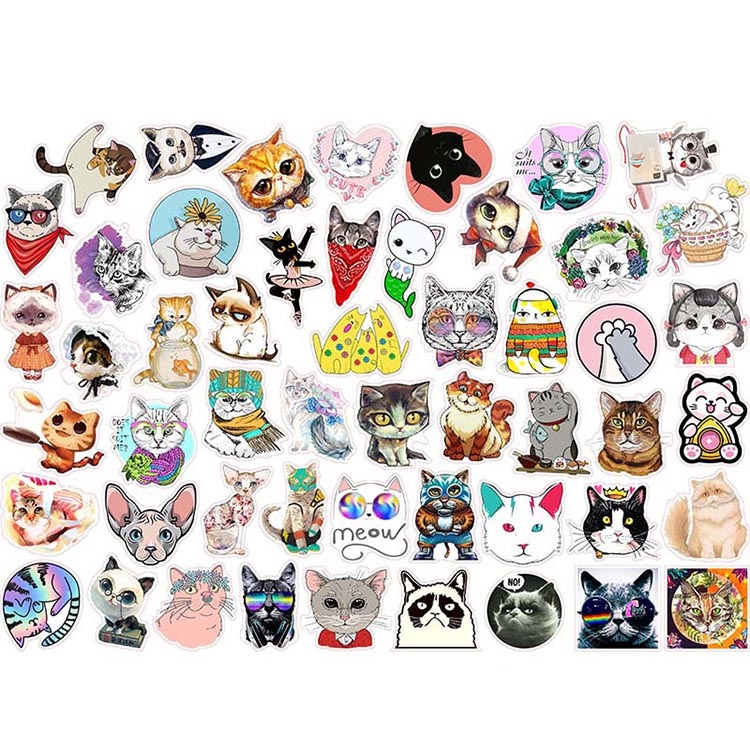
Good purchasing isn’t about demanding the “best.” It’s about asking for the proof that the sticker matches your use case. Here are buyer-friendly checks that reduce risk:
- Pre-production sample: confirm size, die-cut, release, and application feel.
- Color proof approval: verify brand colors and legibility before mass printing.
- Adhesion trial on your real surface: test on the actual container or carton.
- Environmental trial: chill, heat, or humidity exposure aligned to your logistics reality.
- Rub/wipe test: if customers will handle or clean the item, verify smudge resistance.
- Barcode check: confirm scan reliability under your store/warehouse lighting.
If you only do one thing: run a small trial batch through your normal packing and shipping workflow. The real world is a better lab than any checklist.
◆◆◆ SECTION 8 ◆◆◆
What to Send Your Manufacturer to Get It Right
Manufacturers can move faster—and quote more accurately—when you provide a clear brief. If you’re working with a supplier such as Guangdong Dicai Printing Co., Ltd., here’s a simple package of information that typically prevents back-and-forth:
Project Inputs
- Sticker size and shape (die-cut or simple rectangle)
- Order quantity and whether you need sheets or rolls
- Surface type (plastic, glass, metal, paperboard) and finish (gloss/matte/textured)
- Where it’s used (indoor/outdoor, cold-chain, high-touch, wet areas)
- Must it remove cleanly, or must it stay permanently?
- Artwork file format and any brand color requirements
Success Criteria
- “No corner lift after X days” (define your timeline)
- “No visible residue on removal” (if removable)
- “Readable after wiping/handling” (if high-touch)
- “Barcode scans consistently” (if applicable)
- Packaging compatibility (tight curves, seams, or soft-touch coatings)
When the brief is clear, the sticker can be engineered for performance—material choice, adhesive behavior, and finish protection can all be aligned to your actual distribution and customer handling, not just how the sticker looks on day one.
◆◆◆ SECTION 9 ◆◆◆
FAQ
Why do my stickers peel off plastic even though they stick at first?
Many plastics have low surface energy, which makes bonding harder over time. Initial “stick” can be misleading. Ask for an adhesive designed for plastics and test after 24–72 hours (bond strength often builds with time).
How can I get clean removal without residue?
Start with a removable adhesive and confirm your surface is compatible. Clean removal depends on both adhesive chemistry and surface finish. Run a real-surface trial, and define removal timing (same day vs. weeks later can behave differently).
What’s the best option for cold storage or refrigerated products?
Choose a construction designed for moisture and lower temperatures, and ask specifically for cold-resistant performance. Also test application temperature—some labels perform well once bonded but dislike being applied onto very cold surfaces.
Should I choose matte or gloss for packaging labels?
Matte improves readability and reduces glare, especially for barcodes and instruction labels. Gloss can boost shelf impact and color pop. If scanning or readability is critical, matte is often the safer choice.
How do I avoid bubbles during hand application?
Clean the surface, tack one edge lightly, then lay the label down slowly while pushing air out from the center. Consistent pressure is more important than speed.
Can stickers be durable enough for frequent handling?
Yes—choose a more durable face material and add a protective finish so print doesn’t rub off. If customers will wipe the surface, confirm resistance to moisture and common cleaners.
Do I need rolls or sheets?
Sheets are convenient for small batches and manual use. Rolls are typically better for higher volume, faster application, and machine labeling. Your packaging workflow usually makes this decision for you.
What should I test before approving mass production?
Apply samples to your real surface, then simulate your environment: cold, humidity, shipping rub, and normal handling. Check corners, print durability, and removal behavior if needed.
◆◆◆ SECTION 10 ◆◆◆
Final Checklist and Next Step
Before you place your next Adhesive Stickers order, sanity-check these five items:
- Surface: what you’re sticking to (and whether it’s glossy, matte, or textured)
- Environment: cold-chain, humidity, sunlight, abrasion, or frequent wiping
- Behavior: permanent vs. removable vs. repositionable
- Finish: matte/gloss and whether you need extra protection
- Proof + trial: a small real-world run before scaling
If you want Adhesive Stickers that look sharp and behave reliably in real conditions, work with a manufacturer who can align materials, adhesive, and finishing to your exact application. Guangdong Dicai Printing Co., Ltd. can support customized sticker solutions from sampling to scalable production—bring your surface details, and you’ll get to “right” faster.
Ready to reduce peeling, residue, and rework on your next label run? contact us to discuss your application and request a tailored sample.
Send Inquiry


X
We use cookies to offer you a better browsing experience, analyze site traffic and personalize content. By using this site, you agree to our use of cookies.
Privacy Policy
-
Email
-
Call Us
-
Address
No. 2, Fuxi Industrial Zone, Chishan Village, Lishui Town, Nanhai District, Foshan City, Guangdong province, China
Inquiry For PriceList
For inquiries about 3C digital packaging, cosmetic packaging, handbags or price list, please leave your email to us and we will be in touch within 24 hours.
Copyright © 2024 Guangdong Dicai Printing Corporation Co., Ltd. All Rights Reserved.