 English
 Español
  Português
  русский
  Français
  日本語
日本語  Deutsch
  tiếng Việt
  Italiano
  Nederlands
  ภาษาไทย
  Polski
  한국어
한국어  Svenska
  magyar
  Malay
Malay  বাংলা ভাষার
  Dansk
Dansk  Suomi
Suomi  हिन्दी
  Pilipino
  Türkçe
  Gaeilge
  العربية
  Indonesia
  Norsk
Norsk  تمل
تمل  český
český  ελληνικά
  український
  Javanese
  فارسی
فارسی  தமிழ்
தமிழ்  తెలుగు
  नेपाली
  Burmese
  български
  ລາວ
ລາວ  Latine
  Қазақша
  Euskal
  Azərbaycan
  Slovenský jazyk
  Македонски
  Lietuvos
  Eesti Keel
  Română
  Slovenski

Why Does 3C Digital Packaging Decide Whether Your Electronics Sell or Get Returned?
Abstract
3C Digital Packaging is not “just a box.” For phones, chargers, protective films, smart wearables, and other fast-moving electronics, packaging is a performance layer that must do three jobs at once: protect sensitive components, communicate trust on a crowded shelf, and survive real-world fulfillment without inflating cost or harming sustainability goals.
This article breaks down the most common customer pain points—damage rates, inconsistent branding, slow iteration, and compliance headaches—and turns them into a practical checklist.
Table of Contents
- What counts as 3C Digital Packaging
- Customer pain points this packaging must solve
- Packaging structures that work for electronics
- Materials and printing choices that prevent returns
- Protection design: drops, vibration, ESD, and tamper risks
- Retail + e-commerce: how to design one system for both
- Sustainability without losing protection
- A practical collaboration workflow with a manufacturer
- FAQ
Outline
- Define 3C packaging needs by product category and channel
- Map pain points to packaging requirements (protection, branding, compliance, speed)
- Select a structure (folding carton, mailer, rigid box, window box, etc.)
- Choose materials + printing + finishing for durability and premium perception
- Engineer protection features (inserts, compartments, anti-scuff, ESD options)
- Make it omnichannel-ready: shelf display + shipping survival
- Improve sustainability with right-sizing and smarter material combinations
- Qualify suppliers with quality controls, sampling, and test plans
- Launch with a repeatable workflow that scales across SKUs
What counts as 3C Digital Packaging
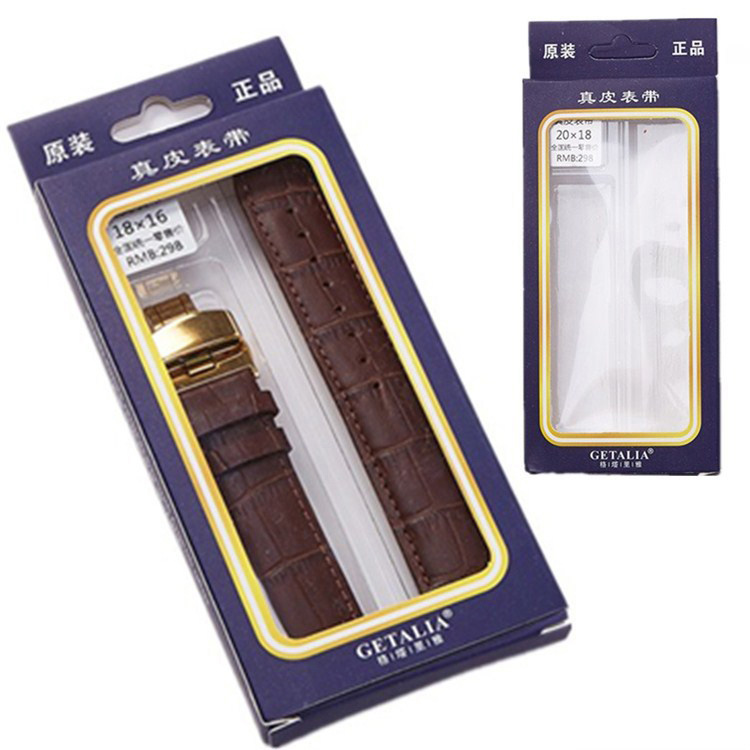
“3C” typically refers to Computer, Communication, and Consumer electronics. In practical packaging terms, this includes:
- Phone accessories: chargers, plugs, cables, adapters, earbuds
- Screen/protective films and kits
- Wearables: watch straps, smart bands, small devices
- Power products: power banks, small hubs, travel accessories
- Bundles: multi-item SKUs with different sizes and delicate surfaces
The tricky part is that these products are often small, high-volume, and brutally competitive. Customers compare you in seconds. If your box looks cheap, scuffs easily, arrives dented, or confuses the buyer about compatibility, you pay for it in refunds, bad reviews, and lost repeat orders.
Customer pain points this packaging must solve
If you recognize any of these, your packaging is costing you money:
- Damage in transit: crushed corners, internal movement, scratched glossy surfaces
- High return rates: buyers think it’s counterfeit, incomplete, or incompatible
- Inconsistent branding across SKUs: “same brand, different look” breaks trust
- Slow updates: you need new barcodes, new compliance icons, new language panels—fast
- Retail display issues: hooks tear, windows fog, boxes look worn after handling
- Cost pressure: you want premium perception without premium waste
- Sustainability demands: less plastic, better recyclability, right-sized shipping
Good 3C packaging turns those problems into requirements: stronger compression resistance, better internal fixation, anti-scuff finishing, clearer labeling, and a structure that fits both shelf and shipment.
Packaging structures that work for electronics
There’s no single “best” box—only the best match for your product, channel, and price point. Use this comparison table as a starting point.
| Structure | Best for | Protection level | Shelf impact | Cost & speed |
|---|---|---|---|---|
| Folding carton + paper insert | Chargers, cables, adapters, small kits | Medium–High (depends on insert) | High (great print area) | Cost-effective, fast scaling |
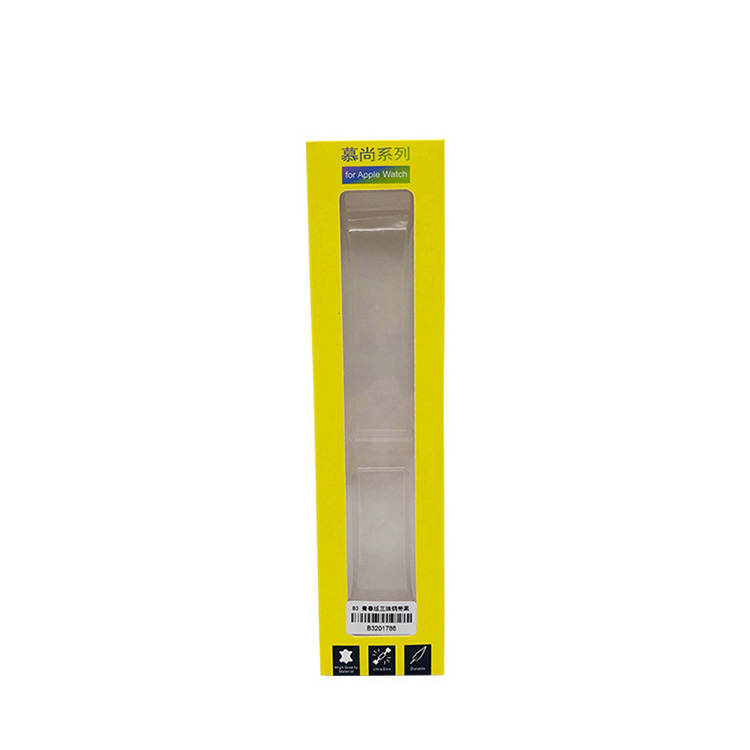
| Window carton (with film window) | Watch straps, accessories needing visibility | Medium | Very high (product shows) | Moderate cost, careful QC |
| Hanging box / hook-ready packaging | Retail peg displays for accessories | Medium | High (strong retail utility) | Moderate, needs tear resistance |
| Mailer box (corrugated) + inner fit | E-commerce heavy items, bundles | High (shipping optimized) | Medium (less premium unless upgraded) | Efficient for shipping, strong protection |
| Rigid box + custom tray | Premium devices, gifting, flagship SKUs | High | Very high (luxury feel) | Higher cost, slower iteration |
Materials and printing choices that prevent returns
In 3C, “cheap-looking” is often caused by the wrong combination of board, coating, and finishing—not just weak graphic design. Here’s what matters most:
- Board stiffness: Choose grammage and structure to resist crushing, especially for peg displays and long-distance shipping.
- Anti-scuff finishes: Matte surfaces can look premium but are vulnerable to rub marks; consider anti-scratch lamination or optimized varnish for high-contact channels.
- Color consistency: Electronics buyers notice differences across SKUs. Align to a brand color system and insist on controlled proofing processes.
- Readable compatibility labels: A cable box that doesn’t clearly state device compatibility invites returns even when the product is correct.
- Security cues: Tamper-evident seals, serial labels, or anti-counterfeit elements can protect brand trust in marketplaces.
- Sustainability signals: If your market cares, use responsibly sourced paper options and clear disposal guidance (without greenwashing).
Practical tip: Ask your supplier for “rub resistance expectations” based on your channel. The same print finish can perform very differently in a warehouse vs. a retail shelf with constant handling.
Protection design: drops, vibration, ESD, and tamper risks
Many electronics returns are not because the product is broken, but because it looks compromised: a scratched glossy charger, a cable with kink marks, an open seal, or missing parts that slid behind a flimsy insert.
Protection checklist for 3C Digital Packaging
- Internal fixation: Prevent movement using paperboard inserts, molded pulp options, or custom trays for premium SKUs.
- Surface protection: Avoid abrasion by separating glossy parts from rough paper edges and ensuring tight tolerances.
- Drop and vibration strategy: Design around typical courier handling. Consider test references like ISTA-style drop sequences as a planning baseline.
- Accessory compartment logic: Multi-item kits need “one place for each item” to prevent perceived missing parts.
- Tamper-evidence: Seals and closure design should show obvious interference, especially for marketplaces.
- Optional ESD handling: If components are ESD-sensitive, discuss anti-static solutions early so materials and processes stay compatible.
One underrated idea: engineer the unboxing path so the customer sees “completeness” immediately. If the first thing they see is a neat layout and intact seal, you’ve already reduced return risk.
Retail + e-commerce: how to design one system for both
Electronics brands rarely live in one channel anymore. You might sell the same charger in a retail shop (needs peg display and shelf appeal) and online (needs shipping survival and barcode clarity).
- Design for two “first impressions”: shelf scan (2 seconds) and unboxing (10 seconds).
- Use consistent brand blocks: keep logo placement, color banding, and icon language stable across SKU families.
- Plan for logistics labels: ensure there’s space for FNSKU/warehouse labels without covering critical information.
- Prevent hook-tear failures: if using hanging packaging, reinforce the hang area and validate it under real load conditions.
- Right-size for mailers: oversized boxes increase damage and shipping costs; tight sizing cuts void fill and improves perceived quality.
Channel shortcut: If 70% of your volume is e-commerce, start from “shipping-safe,” then upgrade the external appearance. If 70% is retail, start from “shelf impact,” then engineer a shipping overpack or mailer-compatible structure.
Sustainability without losing protection
Sustainability is not a single material swap—it’s a design strategy. The goal is to reduce waste while keeping products safe and customer experience high.
- Right-sizing: eliminate unused air. Smaller packs reduce shipping emissions and damage risk.
- Smarter inserts: replace bulky plastic with paper-based structures where feasible, or reduce tray volume through better geometry.
- Material simplicity: fewer mixed materials can make disposal easier for end users.
- Durability as sustainability: fewer damaged shipments means fewer replacements, fewer returns, and less total waste.
- Honest claims: use clear, verifiable language; avoid overstating recyclability because rules vary by region.
The best sustainability improvement often looks boring on paper: reducing returns by improving protection. That single change can outperform many “eco” claims in real impact.
A practical collaboration workflow with a manufacturer
If you want fewer revisions and faster launches, build a repeatable workflow. Here’s a simple version that works well for 3C categories:
- Define SKU reality: dimensions, weight, finish sensitivity (glossy/metal), and accessory count.
- Confirm channel mix: retail, e-commerce, distributors—each changes structure priorities.
- Choose a structure family: folding carton, window carton, mailer box, rigid box, hook packaging.
- Lock protection logic: inserts, compartments, movement control, seals.
- Validate graphics + compliance panels: barcodes, compatibility, warnings, multilingual needs.
- Prototype and iterate: sample → feedback → sample, with change notes each cycle.
- Scale with QC rules: define acceptable tolerances for scuffing, color, glue, and fit.
This is where a manufacturer that integrates production and trade can simplify coordination. For example, Guangdong Dicai Printing Corporation Co., Ltd. focuses on customized solutions for 3C packaging—supporting structures like accessory cartons, window-style boxes, hanging/peg display formats, and protective packaging concepts aimed at both presentation and transit safety. The most important benefit isn’t “more options,” it’s fewer bottlenecks when you need to update or scale.
FAQ
Q: What is the fastest way to reduce damage complaints for small electronics?
Start with internal movement control. A modest upgrade—adding a fitted paper insert or compartment layout—often reduces scuffs and “missing item” perceptions more than thickening the outer box.
Q: Do window boxes increase returns because they look “opened”?
They can if the closure and sealing strategy isn’t clear. A window should communicate authenticity and product visibility while still showing tamper evidence and keeping the product firmly fixed.
Q: How do I keep packaging consistent across 50+ SKUs?
Create a brand packaging system: fixed logo zone, fixed color band, shared icon language, and standardized side-panel layout for compatibility and barcodes. Then vary only the SKU-specific content.
Q: What’s the most common printing/finishing mistake in 3C packaging?
Choosing a premium-looking finish that can’t survive handling. Matte can scuff; gloss can show scratches; soft-touch can fingerprint. Match finishing to your channel reality and ask for rub/scuff expectations up front.
Q: Can sustainable packaging still feel premium for electronics?
Yes—premium is mostly about structure, fit, and print control. Right-sized cartons with crisp printing and intelligent inserts can look high-end while reducing unnecessary plastic and void space.
Closing thoughts
The brands that win in 3C Digital Packaging treat packaging like a product feature: engineered protection, predictable quality, and a brand system that scales across SKUs. If you tighten internal fixation, upgrade finish durability, and design for omnichannel reality, you’ll see fewer returns and stronger buyer trust—without needing a dramatic cost jump.
Ready to improve your packaging?
Share your product dimensions, channel mix, and target positioning, and let a professional team propose a structure, insert plan, and printing approach that fits your budget. If you want a supplier that understands scale, customization, and consistent quality, contact us to discuss your next 3C packaging project and request samples.
Send Inquiry


X
We use cookies to offer you a better browsing experience, analyze site traffic and personalize content. By using this site, you agree to our use of cookies.
Privacy Policy
-
Email
-
Call Us
-
Address
No. 2, Fuxi Industrial Zone, Chishan Village, Lishui Town, Nanhai District, Foshan City, Guangdong province, China
Inquiry For PriceList
For inquiries about 3C digital packaging, cosmetic packaging, handbags or price list, please leave your email to us and we will be in touch within 24 hours.
Copyright © 2024 Guangdong Dicai Printing Corporation Co., Ltd. All Rights Reserved.