 English
 Español
  Português
  русский
  Français
  日本語
日本語  Deutsch
  tiếng Việt
  Italiano
  Nederlands
  ภาษาไทย
  Polski
  한국어
한국어  Svenska
  magyar
  Malay
Malay  বাংলা ভাষার
  Dansk
Dansk  Suomi
Suomi  हिन्दी
  Pilipino
  Türkçe
  Gaeilge
  العربية
  Indonesia
  Norsk
Norsk  تمل
تمل  český
český  ελληνικά
  український
  Javanese
  فارسی
فارسی  தமிழ்
தமிழ்  తెలుగు
  नेपाली
  Burmese
  български
  ລາວ
ລາວ  Latine
  Қазақша
  Euskal
  Azərbaycan
  Slovenský jazyk
  Македонски
  Lietuvos
  Eesti Keel
  Română
  Slovenski

How Can an Enterprise Brochure Transform Corporate Communication and Brand Identity?
Enterprise brochures are critical tools for organizations aiming to communicate their brand, services, and corporate values effectively. A well-designed brochure serves not only as an informational medium but also as a strategic marketing asset that enhances professional perception and engages stakeholders. The modern enterprise brochure combines visual aesthetics with clear, concise messaging to present a company's offerings in a structured, compelling format.
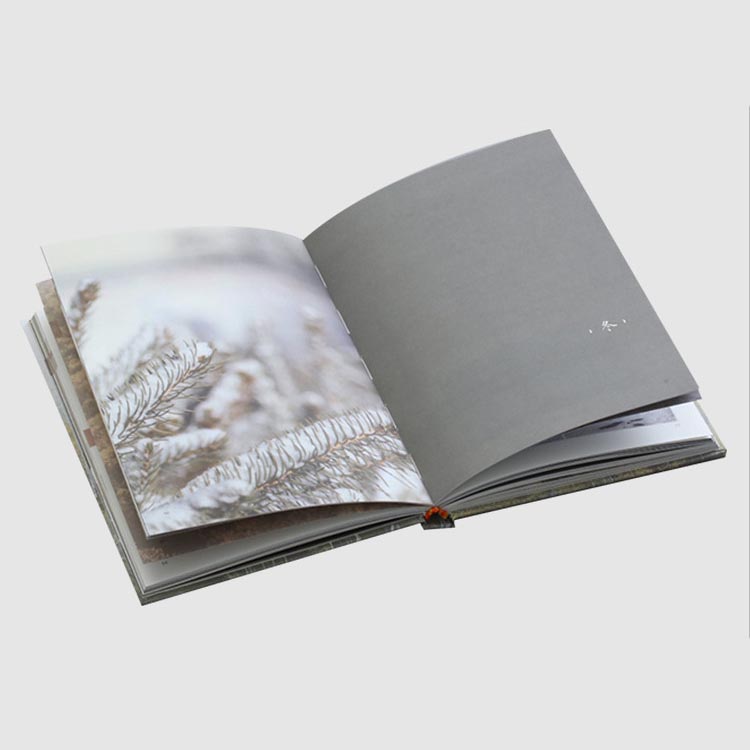
Enterprise brochures typically include high-resolution images, infographics, product specifications, and tailored messaging that highlights the company's unique value propositions. These brochures are used in client meetings, trade shows, corporate events, and digital distribution to provide a tangible reflection of the brand's identity and capabilities.
Product Overview and Technical Specifications:
Enterprise brochures are manufactured with attention to material quality, printing precision, and design versatility. The key parameters include:
| Feature | Specification |
|---|---|
| Format | A4, A5, Custom Sizes |
| Material | Premium Glossy or Matte Paper (150–300 gsm) |
| Printing | Full-color CMYK, Offset & Digital |
| Binding | Saddle Stitching, Perfect Binding, Spiral |
| Finishing | UV Coating, Embossing, Foil Stamping |
| Page Count | 8–48 Pages |
| Customization | Templates, Custom Layouts, Interactive Elements |
These specifications ensure the brochure is not only visually appealing but also durable and adaptable to various corporate communication needs.
How Does an Enterprise Brochure Enhance Business Marketing and Stakeholder Engagement?
A primary role of an enterprise brochure is to serve as a marketing instrument that communicates complex information succinctly. Businesses leverage brochures to explain services, demonstrate industry expertise, and facilitate decision-making among clients and partners. Unlike digital content, physical brochures provide a tangible experience that strengthens brand recall and credibility.
Brochures can be tailored to target specific audiences, highlighting relevant products, case studies, or solutions that address client challenges. For instance, technology companies may include detailed specifications and performance metrics, whereas service-oriented organizations can focus on success stories and operational workflows. Effective brochures integrate visual hierarchy, typography, and color schemes to guide readers through essential information without overwhelming them.
Common Questions About Enterprise Brochures:
Q1: What makes a corporate brochure different from standard marketing materials?
A1: A corporate brochure is specifically designed to represent the organization’s identity and values while providing detailed information about products or services. Unlike standard flyers or pamphlets, it includes professional layout design, high-quality images, and structured content tailored for stakeholder engagement and business development.
Q2: How long should an enterprise brochure be for optimal engagement?
A2: The length depends on content depth and purpose. Typically, 12–24 pages provide sufficient space to present a company profile, product/service offerings, and case studies without overwhelming the reader. Excessively long brochures can reduce readability, while very short formats may omit critical details.
How Can Design and Content Strategy Maximize the Impact of an Enterprise Brochure?
Design and content strategy play a crucial role in transforming a brochure from a simple informational piece into a persuasive marketing tool. The layout should balance aesthetics and readability, using consistent branding elements, typography, and color schemes aligned with corporate guidelines. Visual storytelling techniques, such as infographics, charts, and high-quality images, make complex data more digestible and engaging.
Strategically written content emphasizes clarity, conciseness, and relevance. Headlines, subheadings, and callouts should guide the reader through the brochure logically, while key messages are reinforced with supporting visuals. Content should also be adaptable to multilingual or regional versions for global organizations, maintaining cultural sensitivity and language accuracy.
Enterprise brochures can also integrate interactive elements such as QR codes, augmented reality features, or digital links to online resources, bridging physical and digital engagement. These innovations not only improve usability but also track reader interactions, providing insights for future marketing campaigns.
Common Questions About Design Strategy:
Q3: How important is visual hierarchy in a corporate brochure?
A3: Visual hierarchy is essential because it guides the reader’s attention to the most important information first. Effective hierarchy uses size, color, placement, and contrast to prioritize content, making the brochure easy to scan and improving comprehension. Without it, even well-written content may be overlooked.
Q4: Can interactive elements significantly improve brochure engagement?
A4: Yes, interactive elements such as QR codes, embedded videos, and digital links enhance user engagement by offering additional resources and immersive experiences. They provide measurable interactions, allowing companies to track engagement and refine content strategies for higher ROI.
How Will Enterprise Brochures Evolve with Emerging Corporate Communication Trends?
Enterprise brochures are increasingly adopting hybrid formats that merge print and digital experiences. Companies are leveraging high-quality printing technologies alongside interactive features to create versatile communication tools. Future trends indicate a stronger focus on sustainability, with eco-friendly paper, soy-based inks, and recyclable materials becoming standard in brochure production.
Data-driven customization is another key trend. Personalized brochures tailored to individual client needs or industry segments are gaining traction. By analyzing client preferences and past interactions, companies can deliver content that resonates more effectively, enhancing both engagement and conversion rates.
Additionally, the integration of multimedia and augmented reality (AR) will further revolutionize brochures. Interactive 3D models, video demonstrations, and virtual product tours within a printed brochure are no longer conceptual but increasingly feasible for mainstream corporate use. Such innovations bridge traditional marketing with experiential engagement, enhancing brand loyalty and competitive advantage.
Implementation Tips for Organizations:
-
Ensure alignment with corporate branding and messaging guidelines.
-
Invest in high-quality materials and printing to convey professionalism.
-
Integrate measurable interactive elements to evaluate engagement.
-
Use clear, concise language to maintain readability across diverse audiences.
-
Regularly update content to reflect evolving products, services, or market trends.
In conclusion, enterprise brochures remain a fundamental asset in corporate communication, providing both visual appeal and strategic messaging. They are versatile tools that combine professional design, detailed product specifications, and engaging content to elevate brand perception. Companies investing in high-quality brochures can enhance client relationships, strengthen brand identity, and support long-term business growth.
For organizations seeking comprehensive solutions, Dicai offers a full range of enterprise brochure design and production services, ensuring each brochure reflects the company’s vision and market positioning. To explore tailored options or request a consultation, contact us today.
Send Inquiry


X
We use cookies to offer you a better browsing experience, analyze site traffic and personalize content. By using this site, you agree to our use of cookies.
Privacy Policy
-
Email
-
Call Us
-
Address
No. 2, Fuxi Industrial Zone, Chishan Village, Lishui Town, Nanhai District, Foshan City, Guangdong province, China
Inquiry For PriceList
For inquiries about 3C digital packaging, cosmetic packaging, handbags or price list, please leave your email to us and we will be in touch within 24 hours.
Copyright © 2024 Guangdong Dicai Printing Corporation Co., Ltd. All Rights Reserved.