 English
 Español
  Português
  русский
  Français
  日本語
日本語  Deutsch
  tiếng Việt
  Italiano
  Nederlands
  ภาษาไทย
  Polski
  한국어
한국어  Svenska
  magyar
  Malay
Malay  বাংলা ভাষার
  Dansk
Dansk  Suomi
Suomi  हिन्दी
  Pilipino
  Türkçe
  Gaeilge
  العربية
  Indonesia
  Norsk
Norsk  تمل
تمل  český
český  ελληνικά
  український
  Javanese
  فارسی
فارسی  தமிழ்
தமிழ்  తెలుగు
  नेपाली
  Burmese
  български
  ລາວ
ລາວ  Latine
  Қазақша
  Euskal
  Azərbaycan
  Slovenský jazyk
  Македонски
  Lietuvos
  Eesti Keel
  Română
  Slovenski


Why Does a Mobile Phone Accessory Packaging Box Decide Whether Customers Trust Your Brand?
Abstract — A Mobile Phone Accessory Packaging Box isn’t “just a box.” It’s the first proof of quality, the first anti-counterfeit signal, and often the first moment a buyer decides whether you’re a real brand or a risky seller. In this guide, I’ll break down practical packaging choices for mobile accessories—materials, structures, inserts, printing, protection, and sustainability—so you can reduce damage, cut returns, look premium on shelves, and ship confidently for e-commerce.
Table of Contents
- 1) The real problems packaging must solve
- 2) What “good packaging” looks like in the real world
- 3) Box structures that fit mobile accessories
- 4) Materials and finishes that balance cost and credibility
- 5) Protection design that reduces returns
- 6) Printing and details that prevent “cheap” impressions
- 7) Practical sustainability without sacrificing strength
- 8) A simple packaging development process you can follow
- 9) FAQ
- 10) Next steps
Outline
- Identify customer pain points (damage, returns, trust, shelf impact)
- Match the accessory type to a suitable box structure
- Choose materials and finishes that fit your price point
- Design inserts for protection and presentation
- Refine printing details for a premium, consistent look
- Confirm practical sustainability goals and shipping requirements
- Validate with sampling and drop/shake tests before mass production
1) The real problems packaging must solve
Most buyers don’t know your supplier story. They only see what arrives at their door—or what sits on a store shelf. That means your Mobile Phone Accessory Packaging Box is doing several jobs at once, and failing at any one of them can hurt your business fast.
- Damage during shipping: Small accessories (chargers, cables, adapters, earbuds, cases) can shift, crush, or puncture thin packaging. A dented corner can look like a “used” product.
- High return rates: Even if the product is fine, packaging that looks flimsy triggers “this seems fake” complaints and return requests.
- Counterfeit anxiety: Mobile accessories are a category where customers worry about knockoffs, unsafe materials, or poor performance. Packaging must communicate legitimacy.
- Retail requirements: Hanging holes, barcodes, label zones, safety notices, and consistent sizing matter when you want smooth stocking and scanning.
- Unboxing experience: In crowded marketplaces, small “delight” details can separate you from the cheapest listings—without turning packaging into a cost monster.
- Inventory efficiency: Boxes that waste volume increase shipping and storage costs. A slightly smarter structure can reduce dimensional weight.
If you’re trying to scale, a well-designed box is one of the easiest ways to stabilize customer satisfaction while keeping operations predictable.
2) What “good packaging” looks like in the real world
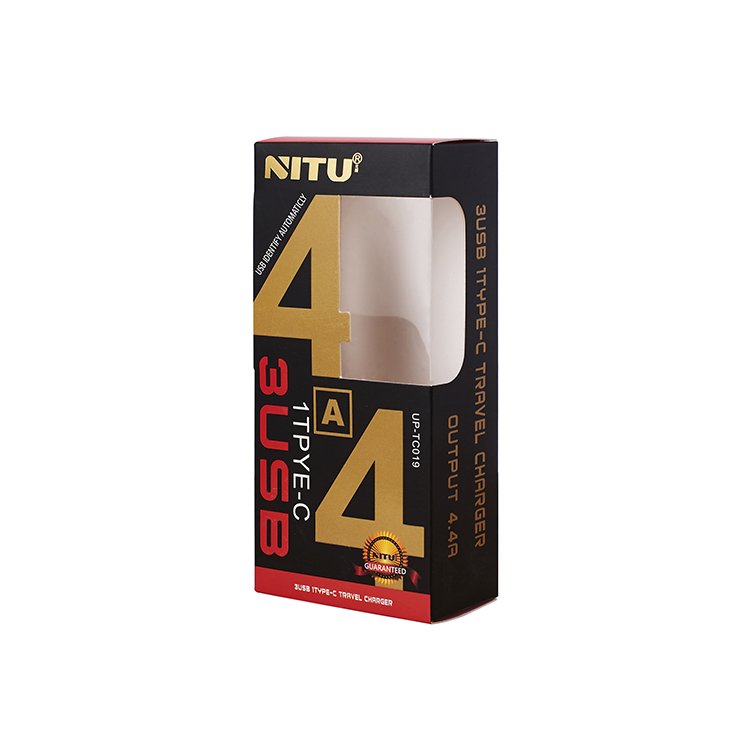
Good packaging doesn’t mean “expensive packaging.” It means the packaging clearly matches your product’s promise.
- Looks consistent: Color, alignment, fonts, and finishing details are clean. Nothing feels random or off-register.
- Feels intentional: When someone holds it, the rigidity, closure, and insert fit make the product feel reliable.
- Ships safely: Minimal internal movement; corners resist crushing; surface resists scuffs.
- Communicates authenticity: Clear labeling zones, traceable codes, tamper-evidence options, and print quality that looks “brand-level.”
- Supports your channel: E-commerce and retail have different needs. Packaging should match the channel instead of fighting it.
In short: the box should remove doubt.
3) Box structures that fit mobile accessories
A Mobile Phone Accessory Packaging Box should be chosen based on what you’re selling and how it’s shipped. Here are structures that work well across common accessory categories:
- Tuck-end carton (straight or reverse): Great for cables, adapters, small chargers, screen protectors (with internal support). Cost-friendly and fast to assemble.
- Auto-lock bottom carton: Stronger base for heavier items like power banks or chargers. Reduces bottom failures in transit.
- Drawer box (sleeve + tray): Premium unboxing for earbuds, high-end cases, giftable bundles.
- Rigid box: Best for flagship products or premium sets. Strong and impressive, but higher cost and shipping volume.
- Hanging box (with euro hole): Useful for retail display of cables, small accessories, and blister alternatives.
- Windowed box (optional): Lets customers see color or texture, but needs careful material choices to avoid looking cheap or fragile.
For many brands, the sweet spot is a strong paper carton with a smart insert: it feels premium without requiring rigid-box budgets.
4) Materials and finishes that balance cost and credibility
Materials influence three things customers notice immediately: stiffness, surface feel, and print clarity. The trick is matching material to product weight and price positioning.
| Material / Finish | Best For | Pros | Watch Outs |
|---|---|---|---|
| White cardboard (folding carton board) | Cables, adapters, cases | Clean printing, good stiffness, cost-effective | Needs proper thickness for heavier accessories |
| Kraft paper board | Eco-focused lines | Natural look, strong “responsible” signal | Color printing behaves differently; blacks can look softer |
| Corrugated (micro-flute) | E-commerce shipping protection | High crush resistance, better for heavier items | Requires good design to avoid looking “shipping-only” |
| Matte lamination | Mid-to-premium accessories | Modern look, resists fingerprints better than gloss | Scratches can show if not paired with good board |
| Spot UV | Brand logos, icons | High perceived value with small cost increase | Overuse can look loud; use selectively |
| Foil stamping | Premium lines and gifts | Instant “luxury” signal, great for logos | Needs precise alignment and thoughtful color choice |
If your product is safety-sensitive (like chargers), don’t underestimate the trust impact of crisp printing and sturdy board. Buyers notice.
5) Protection design that reduces returns
Most packaging failures aren’t “material problems.” They’re movement problems. If the accessory slides around, it damages itself or the box interior.
Here are practical protection approaches that scale well:
- Paper inserts: Affordable, recyclable, and great for keeping a cable coil or adapter stable. A well-cut insert can look neat and premium.
- Pulp trays: Excellent for earbuds or delicate components. Strong protection and an eco-friendly feel.
- EVA foam: Premium fit and shock absorption for higher-end accessories. Good for “gift” presentation.
- Inner sleeves: Adds scuff protection and creates a cleaner unboxing flow.
- Tamper-evidence seals: Reassures customers that the product hasn’t been opened or swapped.
A quick self-check: If you can shake the closed box and hear the product rattle, returns will happen—especially in online orders where customers already feel uncertain.
6) Printing and details that prevent “cheap” impressions
Print quality is one of the fastest trust signals in the mobile accessory category. Even a good charger can feel suspicious if the box looks like it came from a random batch.
- Alignment and spacing: Keep margins consistent; avoid crowded layouts. Space reads as confidence.
- Readable labeling: Model name, compatibility, and key specs should be easy to find at a glance.
- Barcode and compliance zones: Reserve a clean area so stickers and codes don’t ruin the design.
- Color consistency: Brands suffer when the “same” box looks different across batches. Set clear color targets and approve samples.
- Anti-counterfeit features: Options include QR verification labels, variable codes, holographic stickers, or subtle pattern work that’s hard to replicate.
This is where an experienced manufacturer matters. Many brands work with Guangdong Dicai Printing Corporation Co., Ltd. to align structural strength with clean printing so the final box looks and feels “brand-grade,” not temporary.
7) Practical sustainability without sacrificing strength
Customers increasingly expect responsible packaging, but they still want the product to arrive perfect. You can do both—if you treat sustainability as a design constraint, not a marketing slogan.
- Reduce unnecessary volume: Right-sizing your Mobile Phone Accessory Packaging Box can cut shipping cost and material use at the same time.
- Choose recyclable inserts: Paper and molded pulp often perform well without plastic trays.
- Use finishes wisely: Some coatings and laminations improve durability but affect recyclability. A balanced approach is often best.
- Design for reuse: A drawer box that customers keep can reduce “instant trash” perception and increase brand recall.
Even small moves—like removing a plastic window or switching to a paper-based insert—can significantly improve perception without raising costs dramatically.
8) A simple packaging development process you can follow
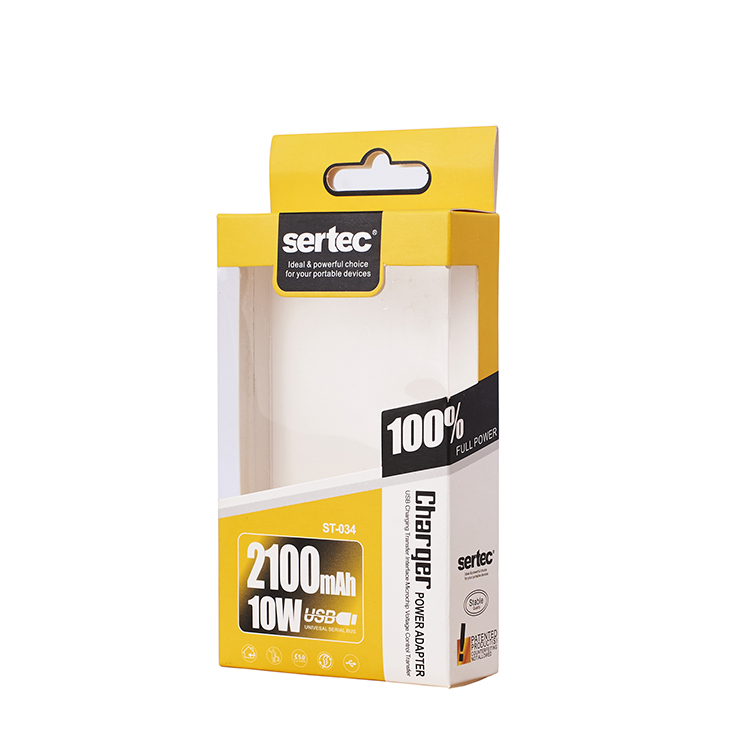
If you’re tired of trial-and-error, here’s a clean way to build packaging that works on the first production run.
- Define the accessory scenario: Is it retail display, e-commerce shipping, or both? Weight and fragility matter.
- Choose structure first: Pick the box type (tuck-end, auto-lock, drawer, rigid) based on protection and cost targets.
- Lock the internal fit: Decide on insert type and test for movement. A “quiet shake” is the goal.
- Set print priorities: Focus on clarity, authenticity cues, and a clean label zone for barcodes and compliance.
- Request samples: Approve color, structure, closure feel, and durability before mass production.
- Run basic stress tests: Drop tests, compression checks, and transit simulation prevent expensive surprises.
This process is especially useful when you’re launching multiple SKUs. A modular packaging system (same box family, different inserts) can reduce costs and speed up rollouts.
FAQ
How do I choose the right Mobile Phone Accessory Packaging Box size?
Start with the product dimensions plus the insert thickness, then add only what you need for safe clearance. Over-sizing increases shipping and looks suspiciously empty. A snug internal fit usually reduces damage and improves perceived quality.
What box style works best for e-commerce shipping?
For many accessories, a stronger folding carton with a well-designed insert is enough. For heavier items like power banks, consider auto-lock bottoms or micro-flute corrugated options to resist crushing in transit.
How can packaging reduce “fake product” complaints?
Use clear, consistent printing, include traceable codes or verification labels, and add tamper-evidence. Customers trust packaging that looks controlled and intentional—especially in high-risk categories like chargers and adapters.
Is a rigid box necessary for premium positioning?
Not always. A high-quality carton with matte lamination plus spot UV can feel premium at a lower cost. Rigid boxes are best when the unboxing itself is a big part of the value.
What insert is best if I want fewer plastics?
Paper inserts and molded pulp trays are common choices. They protect well, present cleanly, and are easier for many customers to dispose of responsibly.
What information should I print on accessory packaging?
Keep it practical: compatibility, model name, key specs, usage notes, safety warnings where relevant, and a clear barcode area. For chargers, clear labeling can reduce confusion and returns.
Next steps
If your current packaging is driving avoidable returns, dents, or trust issues, it’s usually fixable without exploding your budget. A better Mobile Phone Accessory Packaging Box is often the fastest upgrade you can make to improve customer confidence, shelf presence, and shipping performance.
Ready to upgrade your packaging without guesswork? Work with a manufacturer that can support structure, inserts, and printing under one roof. Guangdong Dicai Printing Corporation Co., Ltd. can help you build packaging that protects, sells, and scales—so you can ship with confidence and look like the brand you’re trying to be. If you want a tailored recommendation for your accessory type and sales channel, contact us and share your product size, weight, and target market.
Send Inquiry


X
We use cookies to offer you a better browsing experience, analyze site traffic and personalize content. By using this site, you agree to our use of cookies.
Privacy Policy
-
Email
-
Call Us
-
Address
No. 2, Fuxi Industrial Zone, Chishan Village, Lishui Town, Nanhai District, Foshan City, Guangdong province, China
Inquiry For PriceList
For inquiries about 3C digital packaging, cosmetic packaging, handbags or price list, please leave your email to us and we will be in touch within 24 hours.
Copyright © 2024 Guangdong Dicai Printing Corporation Co., Ltd. All Rights Reserved.